
Relationships with family, friends and partners all involve feelings. Some guidance for young people on crushes, flirting, cheating and treating others with respect.
Read More →
If someone close to you has ever broken your trust, you’ve probably felt the sting of betrayal. This pain can leave deep wounds.
Any
type of betrayal can cause emotional distress, but you might experience
lingering trauma when someone you depend on to respect your needs and
generally help safeguard your well-being violates the trust you’ve
placed in them.
Betrayal trauma typically refers to the lingering pain and turmoil experienced after:
betrayal by a parent or other childhood caregiver
betrayal by a romantic partner
When
you rely on someone for basic needs as well as love and protection, you
might accept a betrayal in order to ensure your own safety.
You
might also find yourself accepting the possibility of future betrayals —
something that can begin to degrade self-esteem, emotional well-being,
and the ability to form attachments with others.

The Food and Drug Administration (FDA) is expected to authorize the
Pfizer-BioNTech COVID-19 vaccine for children and teens between 12 and
15 years old by early next week.
This is according to federal officials who spoke to The New York Times.
In
early April, Pfizer-BioNTech requested an amendment of the existing
emergency use authorization (EUA) to expand use of the vaccine to this
younger age group.
Right now, their vaccine is only approved in the United States for those 16 years old and over.
The FDA is currently reviewing data submitted by Pfizer and BioNTech.
The
companies reported at the end of March that a phase 3 clinical trial
involving 2,260 12- to 15-year-olds showed that the vaccine had an
efficacy of 100 percent in this age group. It was also well tolerated.

When someone you depend on breaks your trust, the pain can linger. Learn what betrayal trauma is, how it can show up and some gentle first steps towards recovery.
Read More →
If you feel depressed when working, you are not alone. Learn why work can make depressive symptoms harder, how to recognise the signs and where to find support.
Read More →
Where the famous apple saying came from, what a medium apple contains, and what research does and does not tell us about apples and long-term health.
Read More →
A 2021 COVID-19 news update summarising what Johns Hopkins University and the US CDC reported at the time. For current advice, visit health.gov.au and speak with your GP.
Read More →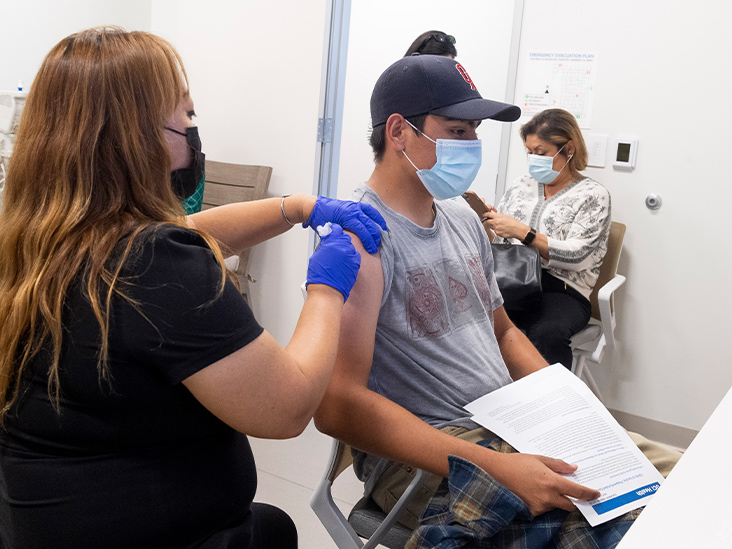
A 2021 news report on the expected US authorisation of the Pfizer-BioNTech COVID-19 vaccine for 12- to 15-year-olds. For current Australian advice, see health.gov.au and your GP.
Read More →
 Relationships (7)